Kay Barclay
Writer / Author
I’m Kay Barclay—a new writer and reluctant author who found her voice through grief. After losing my daughter, Jennifer, writing became the one place where I could share what my heart was carrying.Jennifer's life and legacy continue to shape the way I see the world and the stories I choose to tell. While grief remains part of my story, my reflections often reach beyond loss to explore faith, family, memory, resilience, and the lessons life continues to teach.My third book, The Long Way Home, is my most personal yet—tracing the winding path of my life, my grief, and the quiet ways we find light again after loss.Through each page, I hope to offer comfort, connection, and the reminder that even in our hardest seasons, grace and joy are still possible.
For Jennifer......and for the ordinary moments that quietly taught me how to see.
Selected publications and reflections are listed below.
Available Books
Remember to Breathe - Holding On, Letting Go, and Learning to Live Again
A heartfelt reflection on grief, faith, and learning to live after the loss of a daughter.Today I Choose Joy
A gentle reminder that even in sorrow, joy can still be chosen one day at a time.A long Way Home - Grief and the Silence We Carry
A reflective journey through early loss, emotional survival, and finding your way back to yourself.
Reflections - Life, Family, and Healing
Learning to Breathe Again
A reflection on finding breath again after loss and learning to move forward.The Fog Still Comes - But Joy is Allowed
Even as grief lingers, moments of joy find their way back.
Originally published in the Spring 2026 issue of We Need Not Walk Alone by The Compassionate Friends.The Widening - Love Doesn't End
How love continues to expand beyond absence and reshape the way we live.Carried by Faith
A reflection on Jennifer’s faith—and the quiet strength that carried her.What Would She Say
In the silence, we still find ourselves listening.Why Am I Not Crying? - The Long Exhale
Sometimes the deepest grief is not expressed through tears, but through silence, survival, and the long exhale that comes afterward.The Pillow Case
For years, I remembered myself carrying a cotton sack through the fields. As it turns out, it was a pillowcase. What followed was a reminder that memories are often less about details and more about the people who shared them.Roy and Gene Ride Again
Two sisters, two horses, and a childhood where imagination could turn a West Texas dairy farm into the Wild West. Every family has stories that make them smile. This is one of ours.No Longer in Line
For three years, every line had a purpose. Then one day, standing in a grocery store, I realized I was no longer waiting for anything at all.The Milkman's Daughter
Growing up as the baby of the family came with certain challenges—especially when two older sisters discovered just how much their little sister would believe. For a while, one very large milk truck gave me plenty to worry about.
Published Elsewhere
"Beyond the Pot Roast"
A memoir about grief, loneliness, and learning to carry love after loss.
Published in Grief Book Club on Medium. May 23, 2026. Read "Beyond the Pot Roast""Mothers and Stepmothers – Who’s on First"
A reflection on the complicated emotions, misunderstandings, and shared love within blended families.
Published in Her View From Home, June 18, 2026. Read "Mothers and Stepmothers""Faith: The Art of Surviving While Waiting for Answers"
A reflection on faith, waiting, and the thoughts that fill the space when answers don’t come.
Published in Her View From Home, September 3, 2026. Read "Faith: The Art of Surviving While Waiting for Answers"
© Kay Barclay. All rights reserved.
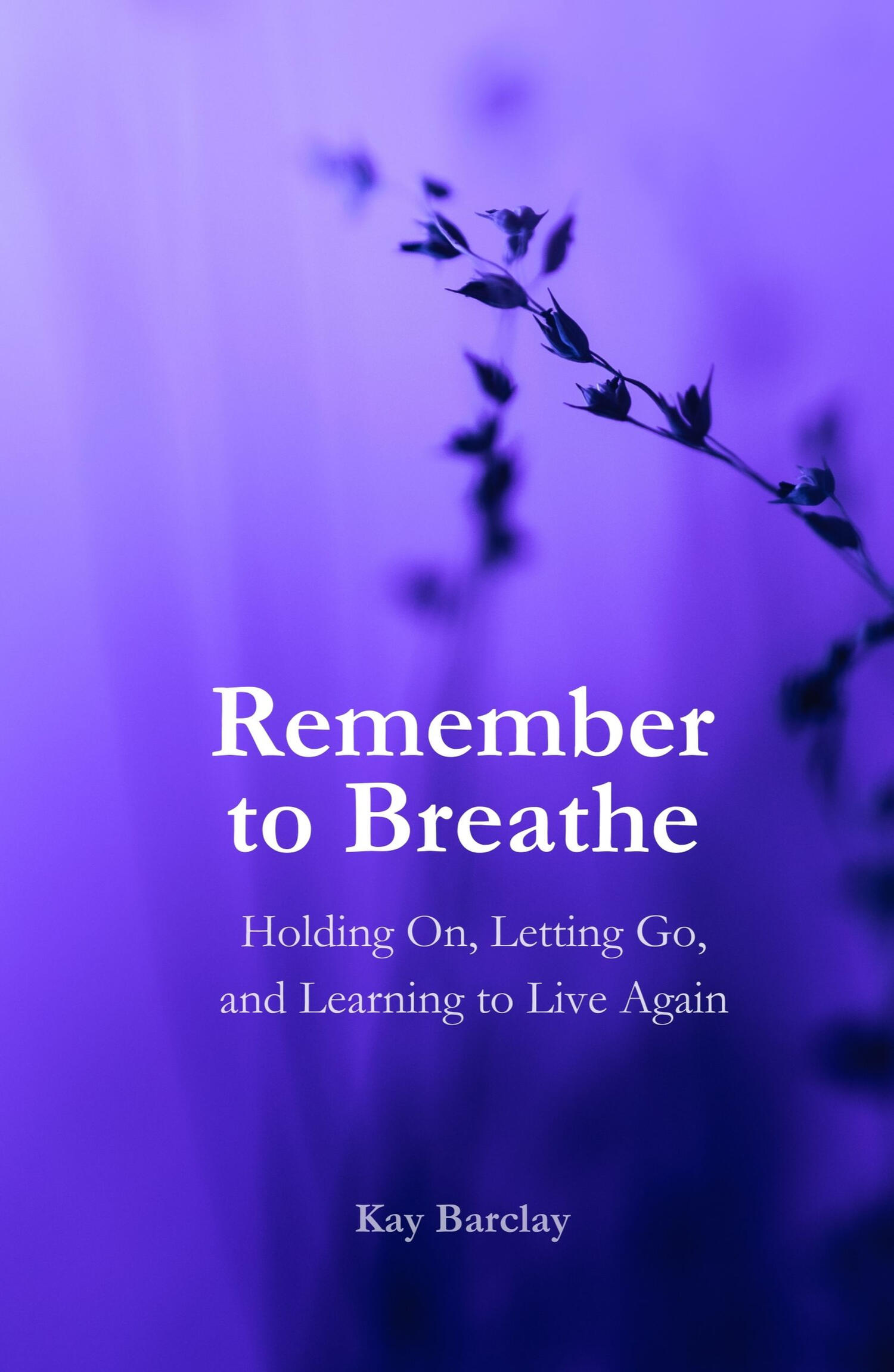
Release Date: October 5, 2025What began as a journey through grief and grace has become a book I’m honored to share.
Remember to Breathe is about holding on to faith, love, and memory—and discovering the strength to keep breathing, keep hoping, and keep choosing joy.Available through: Amazon, Barnes & Noble, Walmart, and other major retailers.
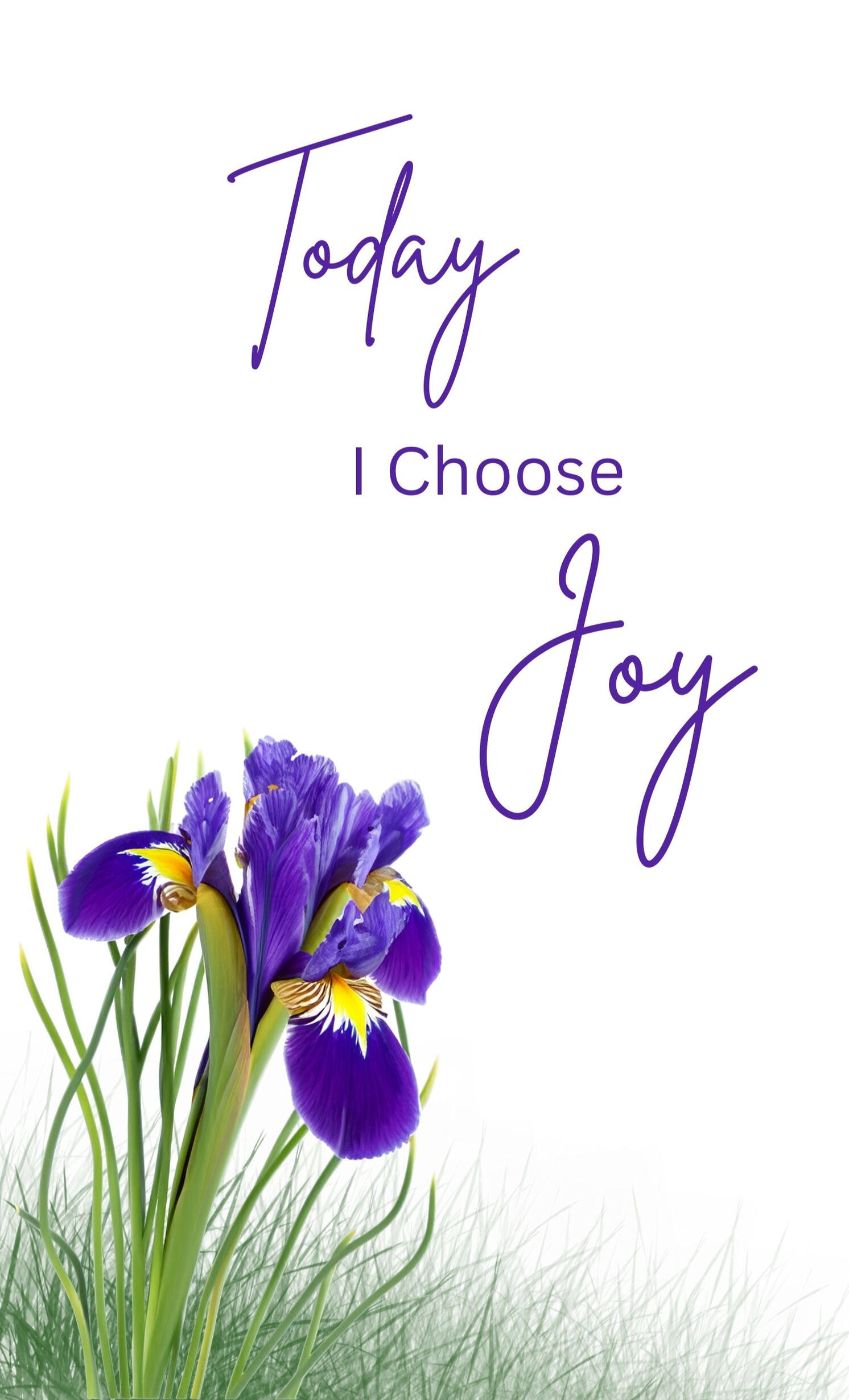
Release Date: March 2, 2026Today I Choose Joy
This book continues the journey that began with Remember to Breathe, exploring what it means to hold on to joy even when life feels uncertain. Through honest reflection and gentle encouragement, it reminds us that joy isn’t the absence of hardship—it’s the courage to notice and embrace joy in the everyday.
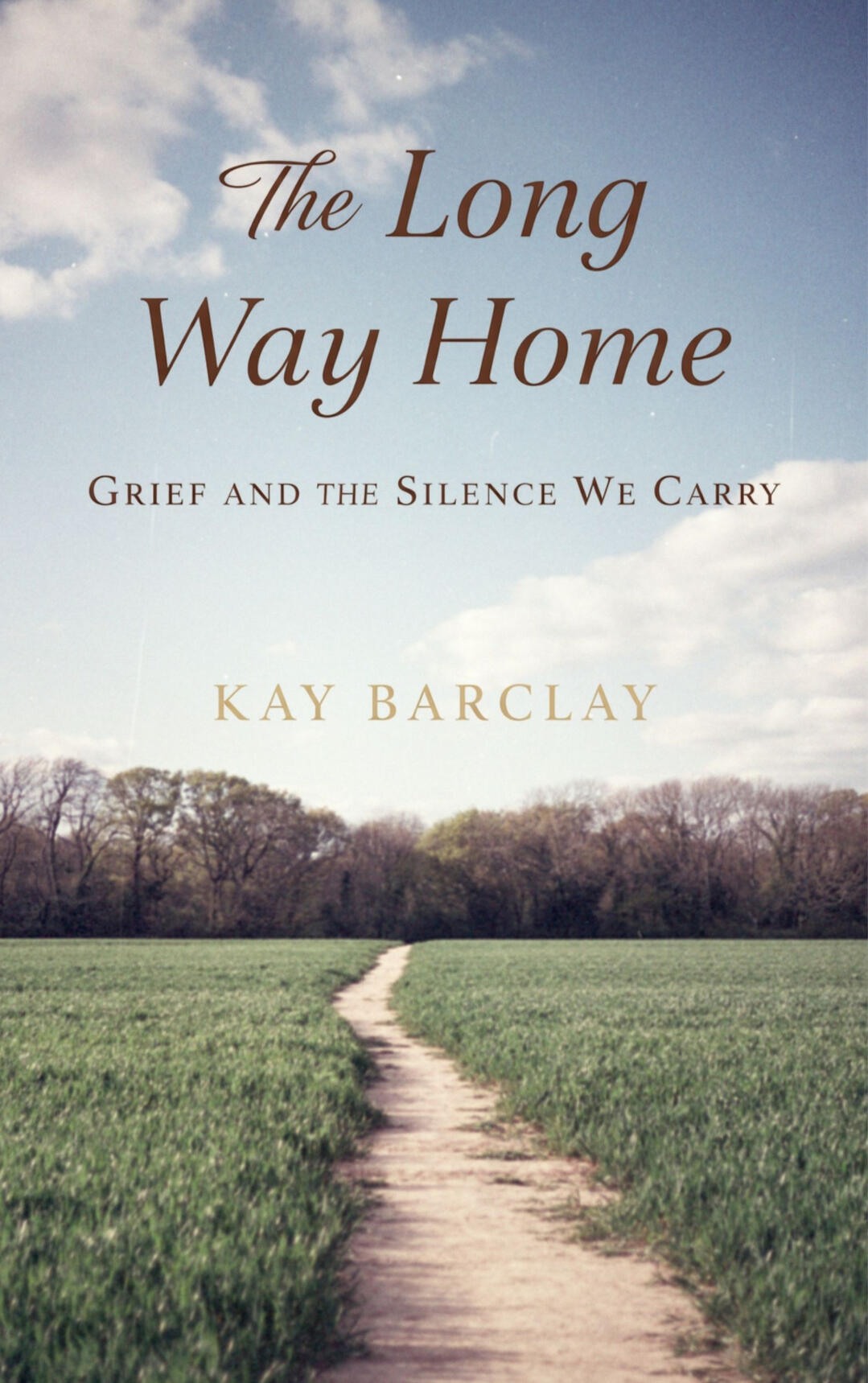
Release Date: May 8, 2026The Long Way Home
A heartfelt memoir about growing up, family, and the long journey of coming to terms with grief. The Long Way Home explores how the past shapes who we become, and how healing often begins when we finally come home to ourselves.
Beyond the Pages
Sometimes the truest parts of a story live outside the printed words.
In this space, I share some moments and memories that shaped my writing and continue to shape my life. These reflections offer a look behind the scenes—where healing deepens, faith grows, and the journey continues.
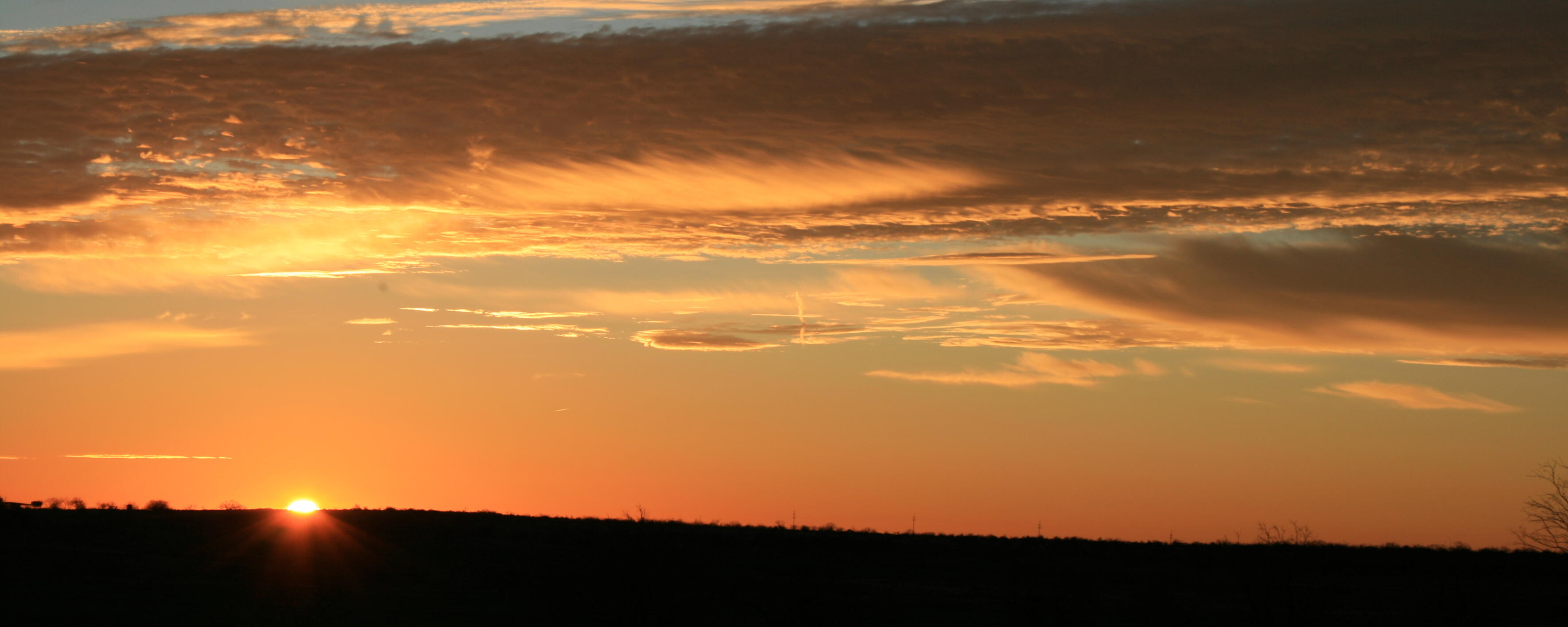
Photo taken by the author, Ballinger, Texas — 2014
Learning to Breathe Again
(A reflection drawn from Remember to Breathe (December 7, 2025)
There are moments in grief when breathing feels like a choice—something you have to remind yourself to do, one steady inhale at a time. In the quiet after losing Jennifer, I didn’t realize how often I held my breath. How often I braced for the next wave of memory, the next ache of missing her, the next reminder that life had shifted into “before” and “after.”In those early months, I moved through the days the best I could. I showed up where I was needed and did the things that had to be done, but everything felt different. Fragile.And yet, even in that uncertainness, small moments began to glow.
A brief stillness.
A gentle sunrise.
A memory that didn’t break me—but held me.These moments were the beginning of learning to breathe again.Remember to Breathe was born out of those sacred pauses—the ones that helped me rediscover presence, grace, and the fragile beauty of each day. Through loss, through faith, through love that stretched far beyond goodbye, I learned that healing doesn’t arrive all at once. It comes in small, quiet moments that tell you to slow down, pay attention, and let yourself feel both the sorrow and the goodness.One of the passages in the book reflects:
“Grief teaches us to breathe differently. Not deeper or stronger—just differently. It reminds us that every breath is borrowed grace, and every moment is a chance to remember the love that shaped us.”
There were many days during Jennifer’s journey where time felt suspended—long hospital waits, quiet car rides, days when the world outside kept moving while ours stood still. In those moments, I began to understand something I hadn’t known before:Some of the most heartfelt experiences in life are the ones that unfold slowly, quietly, in the in-between spaces where we simply sit with what is.Another passage from the book speaks to:
“Healing didn’t come in grand gestures. It came in the smallest moments — the soft rhythm of breath beside me, the touch of her hand, the awareness that even in heartbreak, something holy was happening.”I didn’t write this book as an answer or a solution. I wrote it to honor what Jennifer taught me—that life is fragile and precious, that presence matters, and that even on the hardest days, we can learn to breathe again.If this part of our story speaks to you—if you are grieving, remembering, or simply trying to find your way after loss—I hope the pages of Remember to Breathe offer a place to rest. A reminder that you are not alone.Thank you for being here.
Thank you for reading.
Thank you for remembering with me.
The Fog Still Comes - But Joy is Allowed
(December 23, 2025)
I've learned there is no predictable pattern. There are days when grief feels like a quiet companion, and days when it feels like fog so thick I can’t see my way forward. What I didn't expect to find was how grief and joy would eventually live side by side, how both could exist in the same moment.For several months after losing my daughter Jennifer, I went through the motions. I did what needed to be done, talked when I had to, showed up where life required me. Everything felt different—it was different. I kept reminding myself to breathe, to put one foot in front of the other. Most days, that was all I could manage.And then one day, I'm not sure when exactly—I realized I was feeling something other than numb. It was a quiet, unexpected sense of peace, like my body had finally exhaled after holding its breath for several years. I felt...okay. Not happy, not healed, but okay. In that okay-ness, I found I could feel Jennifer's absence and also feel grateful for her life and her beautiful children. Both at once.That’s when I realized that sadness and joy weren’t taking turns. They were both living inside me at the same time. Joy didn’t replace grief. Grief didn’t take away joy. For a long time, I believed that feeling joy again would somehow betray Jennifer’s memory. But in that moment of peace, I understood that joy is not moving on. Joy is moving forward. It’s letting love continue inside us, even when our hearts are broken.The fog still comes. There are still days when I feel her absence like an unbearable ache. But there are also days when—in a beautiful sunrise, in her children's laughter—I feel her presence. I feel the gift of her life. And that gift invites me to keep living mine.I used to think healing meant “getting over” the loss. Now I understand that healing means learning how to carry it. Learning to live with both the love and the sorrow, and learning to let joy in without pretending the pain is gone. This is what I want people to know.I’m still figuring it out, one day at a time. Some days I’m okay. Some days I’m not. But I’m learning that allowing joy—even in the smallest moments—is not forgetting Jennifer. It’s honoring her. It’s carrying her forward.
The Widening – Love Doesn’t End
(February 13, 2026)
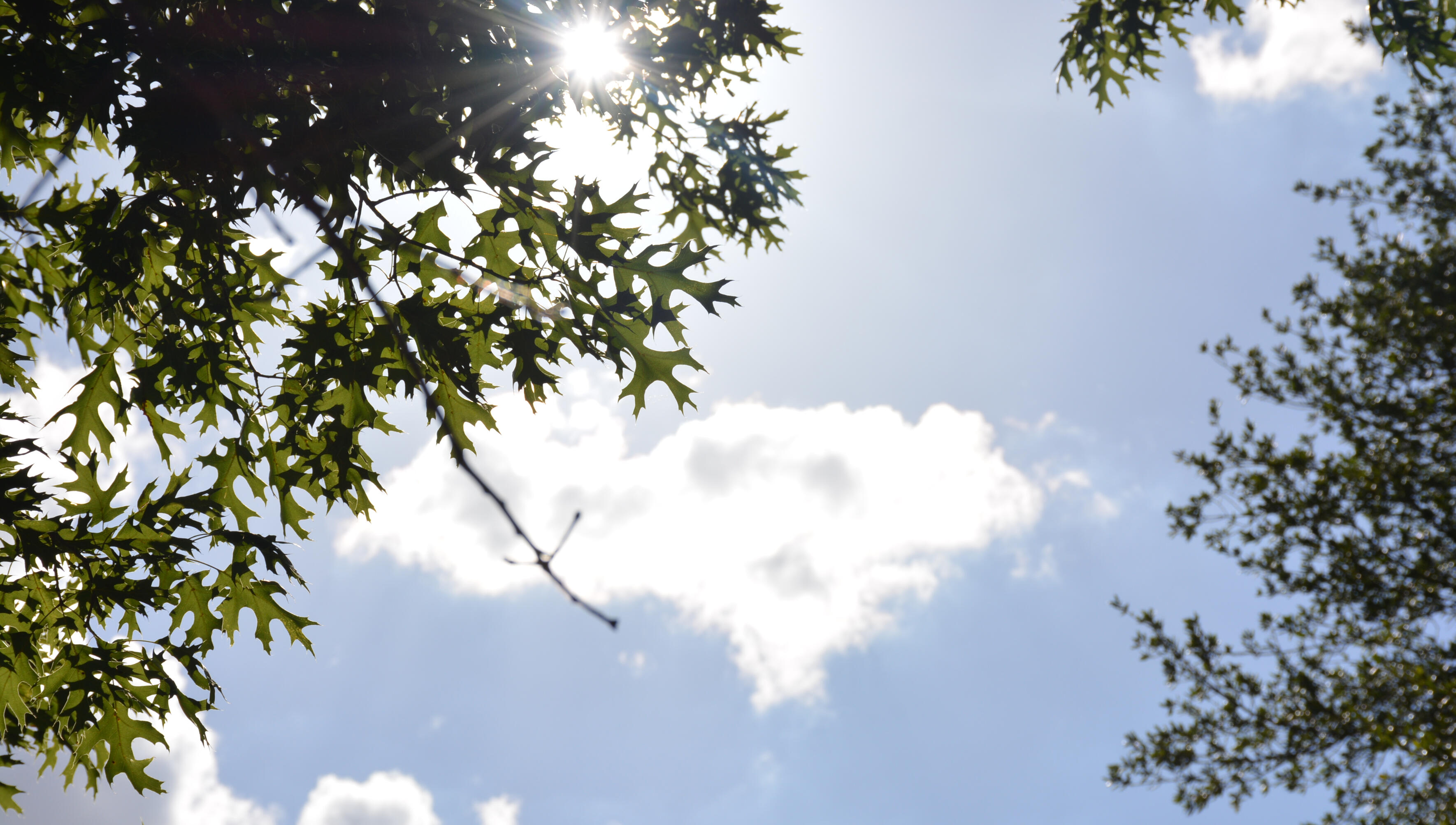
Photo taken by the author, Hutto, Texas — 2018
After the loss of someone we love, we fumble through the days, weeks, and months that follow. Time moves, but we don’t—at least not in any way that feels normal. We go through the motions, existing, wrapped in a numbness that protects us from feeling too much.And then, slowly…we begin to feel again.Not relief. Not healing in the way you might expect. But awareness. The hollow place in the heart makes itself known—the space where love once lived. It’s a place that doesn’t mend. It simply becomes part of us.For a long time, that emptiness is all we can feel.But somewhere along the way—often without warning—we begin to see something else.We begin to notice what remains.Not in a way that replaces what was lost. Not in a way that takes away the grief. But in the quiet recognition that love doesn’t die—it continues.For me, my daughter Jennifer left behind four beautiful children. Four living, breathing reminders of her laughter, her strength, her kindness. Through them, I have the gift of watching her love continue—unfolding in school milestones, personalities emerging, lives taking shape.This doesn’t make the loss easier.It doesn’t fill the hollow place.But it does change the way I hold it in my heart.One moment my heart aches for what will never be, and the next it is overwhelmed with love for what still is. Both are true. Both are real.This is one of grief’s turning points—not the end of sorrow, but a widening of the heart. A place where we allow ourselves to honor not only who we lost, but what they left behind.Even with a heart broken—reshaped by grief and guided by a love no longer beside us—we begin to understand:Love does not end.
Carried by Faith
(March 23, 2026)
Jennifer didn’t talk about her faith often. She lived it.During her three-year battle with cancer, faith wasn’t something she used to explain what was happening or to make sense of the suffering. It wasn’t a shield against fear or pain. It was something steadier—something she drew strength from especially when the road ahead felt so uncertain.It gave her a place to stand when there were no easy answers. It allowed her to choose hope when circumstances offered little reason to do so. And it gave her the strength to keep choosing joy—not as denial, but as a way of living in the midst of it all.Jennifer’s faith didn’t remove the reality of her illness. It didn’t promise outcomes or explanations. Instead, it shaped how she lived within the limits she faced. It showed up in the way she loved her family, in the way she thought about the future she knew she wouldn’t see, and in the way she trusted that what mattered most would endure beyond her own life.“Today I Choose Joy” wasn’t just a phrase she wore on a T-shirt. It was a daily practice—one grounded in faith. Faith that life still mattered. Faith that love would outlast loss. Faith that even when circumstances couldn’t be changed, hope was still a choice.In watching her, I learned that faith doesn’t have to remove suffering to be powerful. God’s strength is enough to help us remain present, loving, and hopeful—even when the path ahead isn’t clear.Jennifer understood that. From birth to the cross, Jesus gave us the precious gift of eternal life. I believe she would want us to remember that—and to honor and celebrate it this Easter Sunday.Her faith carried her.It still carries me.
The Milkman's Daughter
(October 2, 2026)
I’m the milkman's daughter.My two older sisters said it often enough that I eventually believed them.The problem was, we lived on a dairy farm.Every other day, a giant milk truck rumbled down our dirt driveway. The driver climbed out, hooked up hoses to the stainless-steel milk coolers, and pumped away the milk from our Holstein cows. To a little blonde girl with two dark-haired sisters, the conclusion seemed obvious. That man must be the milkman...and apparently, my father.I wasn’t exactly sure what they meant when they called me the milkman’s daughter. My sisters, however, knew exactly what they were doing. I began to wonder if Daddy wasn't really my daddy. After all, I did look different from my sisters.Looking back, it seemed that I was the only one concerned about this situation.When the milkman arrived, I studied him very carefully, convinced something about him might confirm what my sisters had been telling me.I never asked Mother or Daddy. I wasn’t sure what would happen if the answer turned out to be yes.Looking back, I realize my sisters weren't questioning who my father was. They were simply doing what older sisters have done for generations—finding creative ways to torment the baby of the family.I have no doubt there came a moment when my sisters looked at each other and realized I had taken them seriously. They had a choice. They could explain the joke...or see how long it lasted.They chose the second option.Turns out my sisters were right about one thing. I was the milkman's daughter. Daddy was a farmer who milked cows every day. He just wasn’t the man who drove the giant truck and picked up the milk from our farm.Being the baby of the family wasn't always easy. Apparently, that came with its own challenges. Especially when your two older sisters had vivid imaginations and a milk truck that arrived every other day.
What Would She Say
(May 5, 2026)
There are moments when I still find myself wondering what Jennifer would say. I don’t pretend to know what she would say in every moment. But I know how she loved—her courage, her grounded focus in her faith and on joy. And I feel what her heart might say.I imagine her wisdom showing up the way it always did—steady, honest, and centered on what mattered most.And when I listen to my heart, this is what I hear and what I believe she would want to share.She would want the people she loved to be grounded in their faith and live seeking joy—to laugh without guilt, to love without fear, and to trust that love continues.She would want to sit and talk first with her husband—reassuring him that he is okay. I believe she would tell him she is happy he found love again, and that the girls are happy.Snuggled close with the girls, I can almost hear the laughter. She would remind them to find their joy—whether playing soccer, basketball, or cheering for the team. She would gently tell them not to grow up too fast, but to find happiness in each season of their lives. And, of course, she would tell them how much she loves them.I can picture them together under a quilt, each with their favorite book, waiting their turn to read.The boys—her two sons—were her world for ten years before the girls were born, and that bond never changed. She would want them to know how proud she is of the men they are becoming.With her oldest, I can almost see it—her smile at the Mustangs, now two of them, both purple… a color that somehow feels fitting. She would want to go for a ride—not just around the block, but a long one—where there is time to talk about what is on his mind.With her second son, I can picture it just as clearly—both of them wrapped in camo, sitting side by side in the deer blind, their teeth chattering in the cold as they remind each other to be quiet.In the stillness of early morning, I can almost hear the soft whispers as daylight begins to break. She would want to hear his thoughts about the future—and I know she would be so proud as he shared his desire to start a midnight worship for college students.In those moments with the boys, she would want them to know that her love was never meant to anchor them to the past. It was meant to launch them forward—braver, kinder, and unafraid to live.With her friends, I can imagine the conversation coming easily—catching up on their lives and their families, mixed with a little of that office gossip she always seemed to know just enough about. There would be laughter, shared stories, and that easy connection she had with those she loved. And in the middle of it all, she would want them to know how much they meant to her—and the joy they brought into her life.And while we carry her absence in our hearts, she would tell us that love didn’t fail. It finished its work—and then handed it forward.Love continues—not by holding us in place, but by gently helping us keep moving forward.
Why Am I Not Crying?
The Long Exhale
(June 5, 2026)
My mother passed away shortly after my sixteenth birthday. I don’t remember crying at her service. What I do remember is that I had cried myself to sleep so many nights before that day, I don’t think I had any tears left.Years later, after my daughter Jennifer died following her battle with cancer, I found myself in a familiar place. Once again, I could not cry. The tightness in my chest was there. Breathing felt almost impossible. Speaking felt just as hard. But the tears—those didn’t come. Not then.It was a couple of weeks before her service. The funeral home talked us into a visitation. I found myself thinking there was no way I could make it through one service, much less two.I remember when Jennifer’s three-year old daughter called out “Mommy,” and held out her hands as if someone was to come get her. At that point I couldn’t breathe. I turned to look in the direction of her out-reached hands. She was looking toward a young woman with a blonde ponytail talking with her daddy. Jennifer often wore her long blond hair the same way.For a moment, I felt like I saw the same thing, but there were still no tears. I could only stand there trying to breathe. I immediately went to the foyer. I needed a moment to myself.The visitation ended and the family went to a restaurant for dinner. It all seemed so normal—sitting there with the family, including my beloved cousin from Alabama. I know I was there, but I wasn’t. I don’t remember ordering anything or eating, but I must have.I do remember being home that evening sitting in the living room with my cousin and my sister having normal conversations. I was simply moving through time, not anchored to anything. Tomorrow was the service.Getting up the next morning, getting dressed, and driving to the church—I was on autopilot at that point. I don’t remember my feelings. I do remember the service and the family meal that followed. With God’s borrowed strength, I survived—without tears.The next day, we delivered the flowers from the service to nursing homes and hospitals. I moved through it the same way I'd moved through everything else—present enough to drive, absent everywhere it counted. No tears. Just moving through time.Then all of a sudden, I found myself alone. Alone with my thoughts. Alone with my grief.I can’t remember exactly when, but it was a week or two after the service when the tears started to fall. Perhaps this was the long exhale where I allowed myself to grieve—where my heart could release what it could.What I’ve come to understand is that grief isn’t crying.Crying may be part of grief—but its absence doesn’t mean the absence of love, loss, or pain.Tears are not the measure of love, and silence is not the absence of sorrow. Perhaps some losses are so deep that tears are not the first to arrive. Instead, there is silence—and a heart searching for ways to survive.
The Pillow Case
(June 9, 2026)
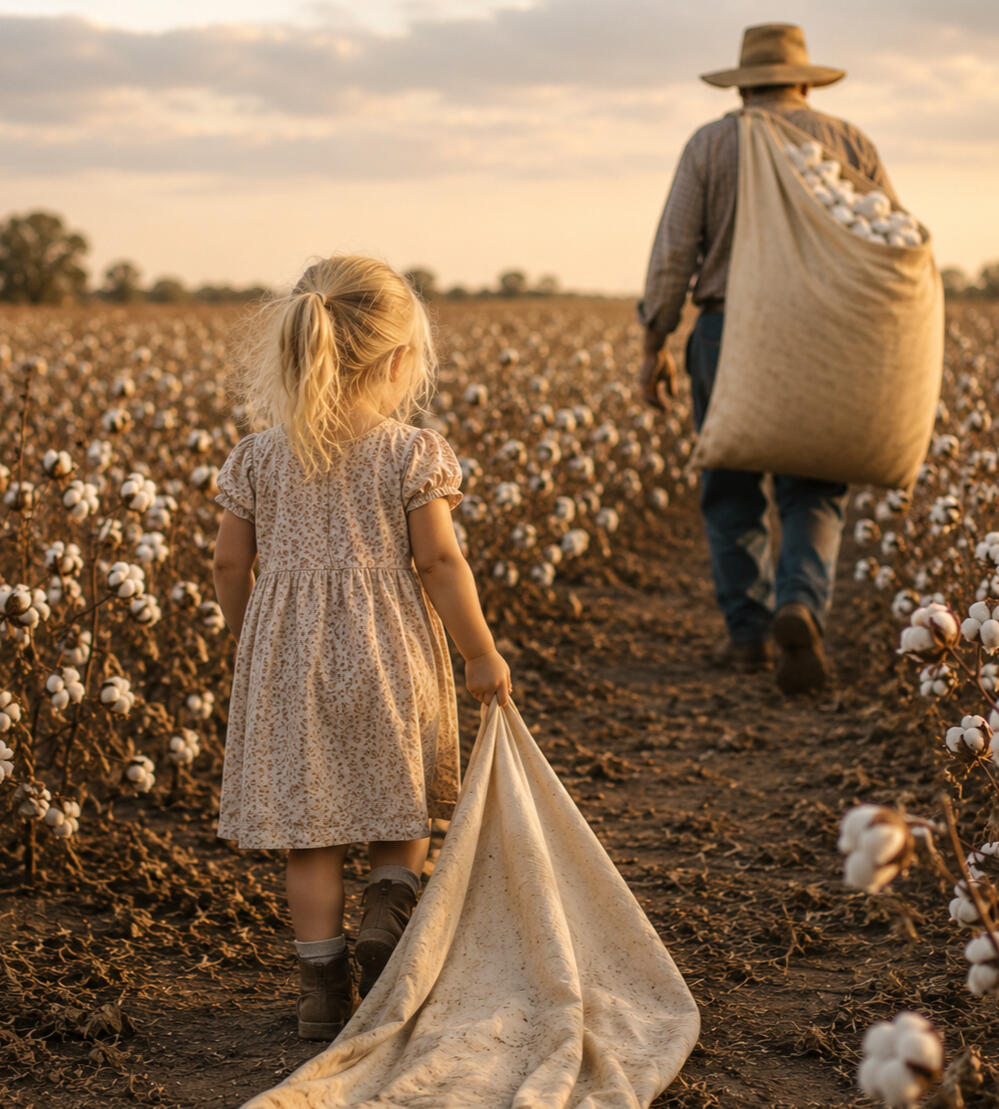
For as long as I can remember, I have told people that I picked cotton as a little girl. In my mind, I could see the long cotton sack trailing behind me as I moved through the field.Recently, while talking with my sisters, I learned something surprising.It wasn't a cotton sack at all.It was a pillowcase.The moment they said it, I laughed. Of course it was a pillowcase. I was just a little girl. A real cotton sack would have been nearly as big as I was.Yet for all these years, I remembered myself carrying the same kind of sack the adults used.I think I know why.What I remembered wasn't the sack. I remembered the feeling.I remembered being there as everyone worked their way through the rows with long cotton sacks dragging behind them. Somewhere among them was a little girl with a pillowcase, doing her best to keep up.The details may have blurred over time, but the meaning never did.As we grow older, I find it fascinating how memories work. Three sisters can share the same childhood and yet each carry a different piece of it. One remembers the place. One remembers the people. One remembers the pillowcase.Together, the story becomes clearer.Perhaps that is one of the gifts of having sisters. We become caretakers of one another's memories. When a detail is lost, someone else remembers. When a story fades, someone helps bring it back into focus.
For decades, I remembered the cotton field. Thanks to my sisters, I now remember the pillowcase too.And somehow, I think I love the story even more.
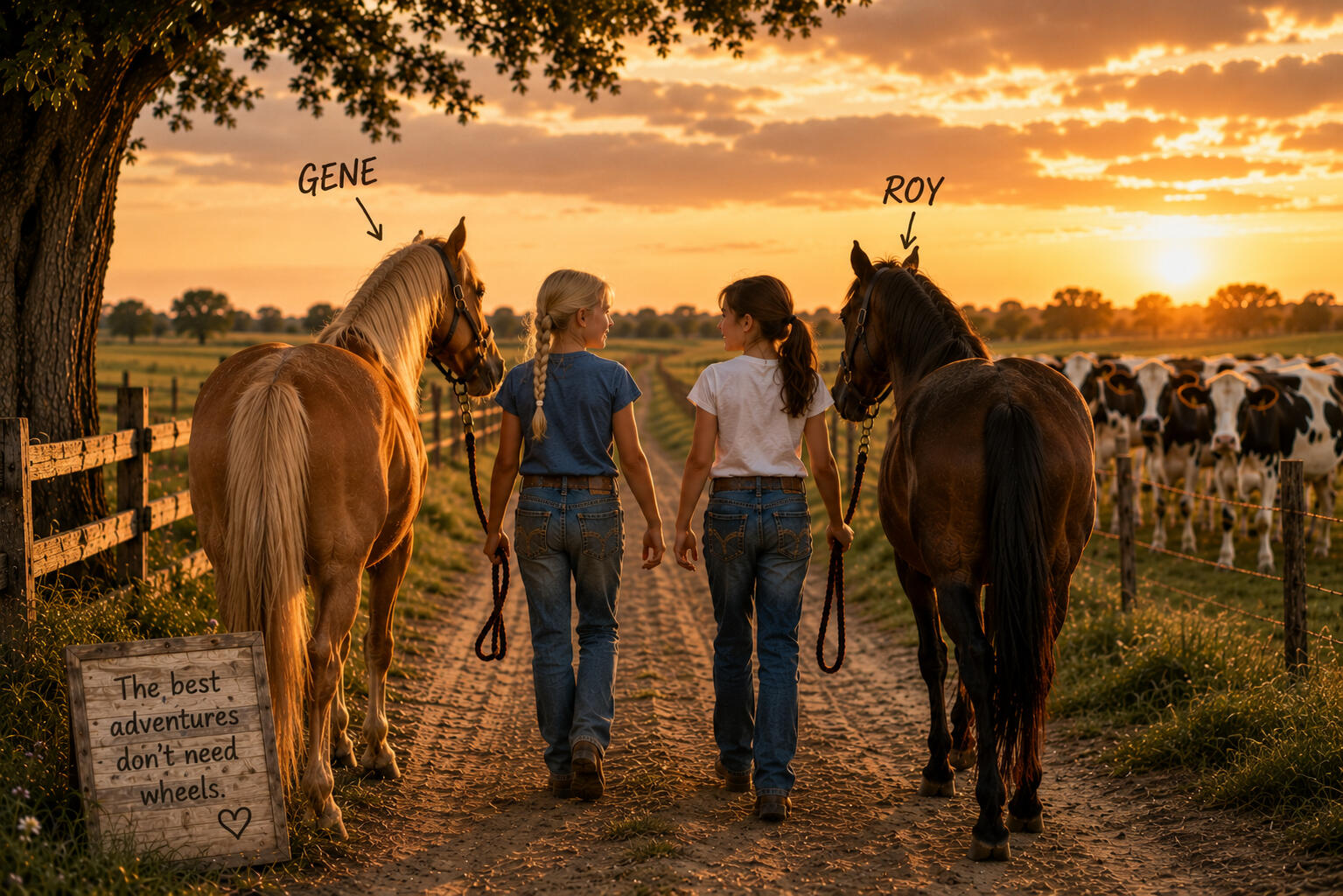
Roy and Gene Ride Again
(July 2, 2026)
I was Gene Autry.Not because I wanted to be.My sister was Roy Rogers, and she had apparently secured exclusive rights to the role before I was old enough to negotiate.Looking back, I suppose I could have protested.Instead, I accepted my fate.
I was Gene.My middle sister and I were only sixteen months apart in age. We were more like twins than simply sisters. I felt more confident with her beside me, and together we spent countless hours creating adventures on our family's dairy farm in west Texas.And yes, we actually rode horses. Real horses.Somewhere between the mesquite tree pastures, dusty dirt roads, and wide-open spaces, Gene and Roy rode again.At least that's how I remember it.The funny thing is that neither of us can remember a single adventure.We've talked about it over the years. We remember who was Roy and who was Gene. We remember the horses. We remember galloping the horse, the kick-up dust swirling beneath us, the warm sunshine on our faces. We remember riding together, my arms wrapped around her waist so not to fall off.But neither of us remembers where we were going. There were no outlaws to wrangle. No dramatic rescues. No stagecoaches to save. No missions at all, as far as either of us can remember.You would think two sisters who spent so much time pretending to be TV cowboys would remember at least one storyline.We don't.What we remember is being together.To our parents, the dairy farm was work. There were cows to milk, fences to mend, hay to move, and endless responsibilities that came with making a living from the land.To us, the farm itself was our frontier. Every tree-filled pasture held possibility. Every ride felt like an adventure waiting to happen.Our rides weren’t like the TV westerns. There wasn’t a horse rearing on to its hind legs with its front hooves pawing in the air, no dramatic music, and no galloping off into the sunset. We simply rode.Most of the time we did saddle the horses when it was a planned ride. But there is a different connection when riding bareback. You feel the warmth of the horse beneath you; your legs tightly wrapped around its side. You can feel its heart beating as your body settles into the rhythm of its gait. I remember riding double one day, we couldn’t get the horse out of a trot—we started laughing so hard we fell off. Nothing was hurt but our egos. Still, Roy and Gene mounted and rode back to the house.For years, I thought the story was about Roy Rogers and Gene Autry.It wasn't.It was about two sisters.Two little girls riding horses bareback across a west Texas dairy farm, completely unaware of what life would eventually bring. We only knew there were horses to ride and adventures to find.That’s right…I never got to be Roy.Looking back, I was okay being Gene.We had horses.We had the freedom to ride wherever our imaginations took us.And I had a sister to ride beside me.
No Longer in Line
(August 5, 2026)
Trying to control outcomes tends to ground me. During my daughter's illness, there were too many things beyond my control. So I picked something small: I started practicing patience in long grocery store lines. It became my quiet exercise in letting go.I got good at it for a while.Then one day, standing patiently with everyone else, thoughts of my daughter came without warning. Tears filled my eyes. I didn't know whether to stay or abandon my cart and walk away.Reality had changed.There were no more doctor’s appointments.
No more treatments.
No more waiting for test results.There was silence.I realized I was just standing there—no longer in line at all.
Then I heard a soft voice.“Are you okay?”I wanted to answer, but the words wouldn’t come. I nodded and quietly pushed my cart aside. For the first time, I stepped out of the line without knowing what was next.For three years, the lines I stood in had purpose—hospital waiting rooms, pharmacy counters, treatment rooms.This line was different.There was no destination. No finish line. No clear path forward—only the slow blurring of lines that once felt so clear.I'm surrounded by family and friends who love me. Still, I walk this line alone.

Contact
For publishing inquiries:
Feel free to contact me at [email protected]